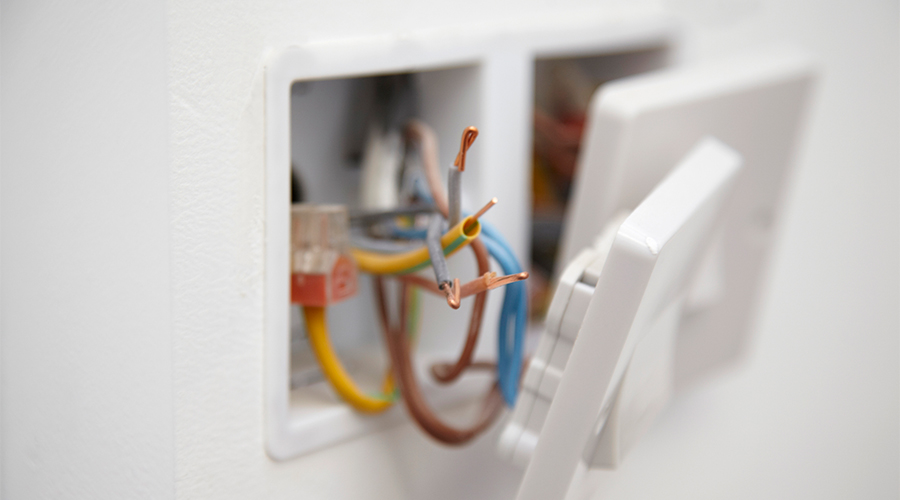
Electrical safety standards have long applied to the private rented sector across the UK and now extend to social housing.
The Electrical Safety Standards in the Private Rented Sector (England) (Amendment) (Extension to the Social Rented Sector) Regulations 2025 came into force on 1 November 2025 and apply to social housing tenancies granted after 1 December 2025.
Who does the legislation apply to?
The Regulations apply broadly to landlords. ‘Social landlords’ refers to both local authorities and private registered providers of social housing.
For tenants, the Regulations apply where the property is their main or only residence and rent is paid for occupation (regardless of the amount and whether it’s a tenancy or a licence to occupy).
Exclusions under Schedule 1 include:
- Shared accommodation with the landlord or the landlord’s family
- Student halls of residence
- Hotels and refuges
- Care homes, hospitals and hospices
- Mobile homes, caravans and boats.
Duties imposed by the legislation
- Landlords (or their agents and representatives) must have electrics checked and tested every five years by a qualified and competent person
- Electrical appliances must comply with BS 7671 standards
- Mandatory testing must be a contractual obligation in the tenancy agreement
- Landlords must obtain an Electrical Installation Condition Report (EICR) and share it with tenants within 28 days of inspection or before occupancy begins. A copy must be provided to the local council within seven days if requested
- Where remedial works are needed, landlords must arrange for them to be completed within 28 days (or sooner if specified) and supply an updated report to tenants and the council within 28 days of the works.
Aims of the legislation
This legislation is part of wider reforms, including Awaab’s Law and the new Decent Homes Standard, to improve living standards in rented homes within the social housing sector. The changes introduce legally enforceable timelines for repairs, checks and rectification by social landlords.
Practical impact of the extension to the social rented sector
The Regulations now make electrical testing a legal obligation for social landlords, rather than simply best practice.
- Increased record keeping: landlords must provide reports to tenants, local councils and prospective occupants, which increases their administrative load and requires strong organisation. Best practice is to keep a copy of every testing report, include it as a standard document in tenancy packs and issue reports promptly to all relevant parties
- Update to agreements: any tenancies granted after 1 December 2025 must include obligations on the landlord to arrange electrical safety checks and provide the necessary documentation, ensuring a clear and recorded process
- Resource planning and verifying subcontractors: checks must be carried out every five years. Landlords who haven’t maintained these checks may face significant upfront costs for initial testing and remediation work. Going forward, it’s essential to engage competent, authorised individuals for testing and repair works; this responsibility will likely sit with the landlord.
These changes come alongside other reforms in the social housing sector. Landlords who haven’t routinely carried out annual visual inspections of their properties should arrange them as soon as possible to ensure compliance and protect tenants.