
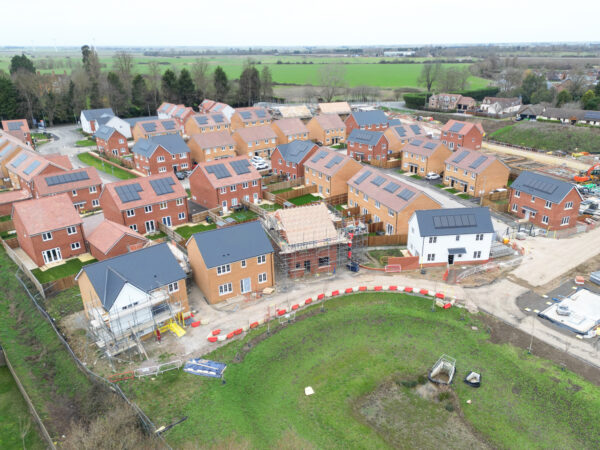

What is a land promotion agreement?
A land promotion agreement is a legally binding contract between a landowner and a land promoter. This type of agreement allows the landowner to benefit from the promoter’s expertise, experience, and financial resources to obtain planning permission for development. Once planning permission is granted, the value of the land usually increases significantly. The land is then sold on the open market, and the sale proceeds are shared between the promoter and the landowner in agreed proportions.
Key issues for landowners in promotion agreements
Before entering into a promotion agreement, landowners should carefully consider several key issues to protect their interests and ensure a commercially viable arrangement.
Time frame
Land promotion is a long-term process, often lasting at least five years or more. The agreement should include a clear timetable with key milestones for the promoter, such as planning application submission and progress updates. This ensures both parties understand expectations and responsibilities.
Dispute resolution
As with any legal agreement, disputes can arise. The promotion agreement should include a clear dispute resolution clause, specifying how disagreements will be handled – through negotiation, mediation, arbitration, or legal proceedings.
Termination rights
A landowner should have the right to terminate the agreement if the promoter breaches its obligations or becomes insolvent.
The agreement should also clarify whether the landowner can rely on existing technical reports, ongoing planning applications, or appeals if the agreement ends.
Financial return and minimum sale price
The landowner should ensure that the promotion agreement delivers a worthwhile financial return.
This can be achieved by setting a minimum sale price, ensuring the land is not sold unless it meets a guaranteed minimum return after deductions and reimbursements.
Cost control
The agreement should define reimbursable costs and include cost caps to prevent overspending by the promoter. These limits should be commercially realistic – high enough to incentivise genuine promotion efforts, but sufficient to protect the landowner’s net return.
Competition and exclusivity
The landowner should ensure that their site remains the promoter’s priority. The agreement should prevent the promoter from promoting competing sites during the term and define what counts as a “competing site.”
Landowner involvement and legacy
The landowner should decide how much control and involvement they want during the promotion process – such as approval of the planning strategy, masterplan, marketing plan, or final buyer.
Ongoing land use during the agreement
Because promotion agreements can last many years, the landowner should be able to continue using the land (for example, farming or grazing) until sale – so long as it doesn’t hinder planning permission or future development.
They must also be prepared to deliver vacant possession when required.
Development potential of retained land
If the landowner retains adjoining or neighbouring land, the agreement should ensure that the promoted site is planned and developed in a way that supports potential future development on the retained land.
Identity of the promoter
The landowner should assess the importance of the promoter’s identity and reputation. The agreement should clarify if it can be assigned or novated, and under what conditions. It should also address what happens in the event of a change of control in the promoter’s business.
Tax implications
Before signing a promotion agreement, landowners should seek advice from a specialist tax adviser or accountant on potential tax implications.
This includes whether VAT registration or election is beneficial and how to implement tax mitigation strategies within the agreement.
Expert legal advice on land promotion agreements
If you are a landowner, developer, or promoter considering a land promotion agreement, contact Claire Waring for specialist legal advice.
How can we help you?
Related articles

Article
8 January 2026
6 minute read
Developers must foot the bill for correcting building safety defects
Read more
Article
18 December 2025
5 minute read
Understanding Use Classes for supported living schemes
Read more


News
2 December 2025
4 minute read
HCR Law strengthens Real Estate team with new Partner bringing specialist investment expertise
Read more
News
24 November 2025
4 minute read
Expert construction disputes lawyer joins HCR Law as Partner
Read more
Article
12 November 2025
5 minute read
AI in construction: promise, pitfalls and practicalities
Read more

5 November 2025
5 minute read
New build plot sales: the process following your first reservation
Read more

Article
22 October 2025
6 minute read