
Article
5 October 2026
6 minute read
This website will offer limited functionality in this browser. We only support the recent versions of major browsers like Chrome, Firefox, Safari, and Edge.
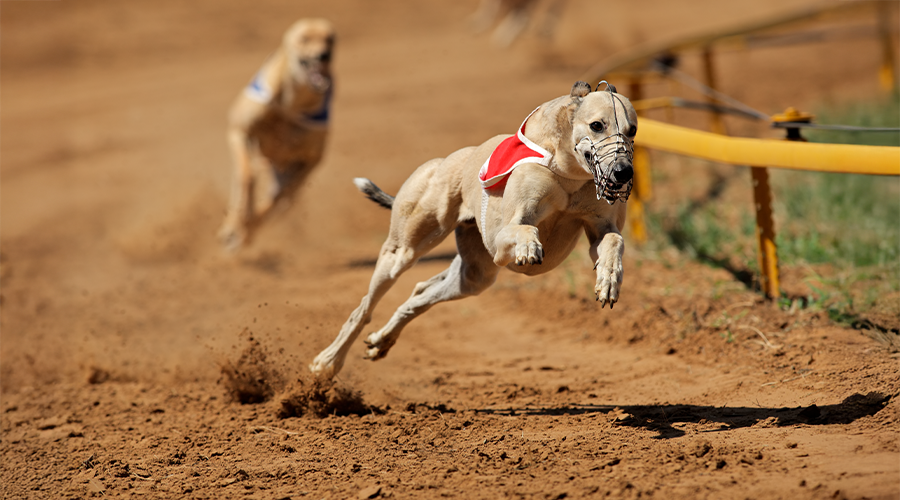
In March this year, the Senedd voted to ban greyhound racing. The passing of the Prohibition of Greyhound Racing (Wales) bill means that, if it passes Royal Assent, Wales will become the first UK nation to ban the sport.
Modern greyhound racing goes back to the 1870s, but from April 2027 it will be wound down at Valley Greyhound Stadium, Caerphilly – Wales’s last remaining greyhound track.
However, the Greyhound Board of Great Britain, which licenses 18 tracks across England and Wales, including Valley, wasn’t prepared to let the ban go through without a fight.
It brought a judicial review challenge against the Welsh Ministers’ decision, querying the adequacy of the consultation that informed the decision. The challenge raised significant questions about the extent of ministerial powers and the process by which decisions affecting established industries are made.
We set out the key issues below.
The bill to ban greyhound racing was brought forward by the Welsh government last year, spearheaded by Huw Irranca-Davies, the then Deputy First Minister with responsibility for Climate Change and Rural Affairs.
The case was heard before a Divisional Court of the Administrative Court in Wales (Lord Justice Lewis and Mr Justice Chamberlain) on 10 and 11 March 2026, with judgment handed down 10 days later ([2026] EWHC 670 (Admin)). The court dismissed the challenge.
On 18 February 2025, the Deputy First Minister of Wales made a statement that ‘now is the right time to move to ban greyhound racing in Wales.’ He explained that the Welsh Ministers would be establishing an implementation group to engage with stakeholders, learn from other countries’ approaches and advise the government on how a ban would come into force.
Seven months later, on 29 September 2025, the Deputy First Minister introduced the Prohibition of Greyhound Racing (Wales) Bill (the Bill) into the Senedd.
The Bill aimed to make it an offence to operate a greyhound track or organise races, effectively outlawing the sport of greyhound racing in Wales. It passed all four legislative stages in the Senedd between December 2025 and March 2026 and now awaits Royal Assent. If enacted, Wales would become the first nation in the UK to outlaw the sport of greyhound racing.
The move has proved controversial among racing industry stakeholders, animal welfare groups and the wider public.
Specific criticism has been raised about the adequacy of the consultation that informed the decision and it’s this which the Greyhound Board, licensors of the only greyhound racing stadium in Wales, Valley Greyhound Stadium, relied upon to challenge the legality of the Deputy First Minister’s statement of 18 February 2025 and the decision to introduce the Bill, via judicial review.
Judicial review is a type of court proceeding in which a judge examines whether a decision made by a public authority was made lawfully. The court does not substitute its own view for that of the decision-maker. Instead, it examines whether the correct legal procedures were followed, whether all relevant considerations were taken into account, and whether the outcome was within the range of decisions reasonably open to the authority.
If a court finds that a decision was unlawful, it can quash the decision and, in some cases, require the public authority to take the decision again, this time following the correct process. If the court finds that a decision was lawful, the challenge will be dismissed and the decision will stand.
The court dismissed the judicial review challenge, holding that there is no common law duty on the Welsh Ministers to consult before introducing legislation in the Senedd.
It found that the introduction of a Bill under section 110 of the Government of Wales Act 2006 forms part of the proceedings of the Senedd and that the Senedd’s own legislative procedures fulfil the purpose that a consultation process would otherwise serve. Recognising a prior duty to consult would, in the court’s judgment, infringe the constitutional separation of powers and be inconsistent with the Senedd’s plenary legislative powers, as established by the Supreme Court in Axa General Insurance Ltd v HM Advocate [2011] UKSC 46.
The court also declined to determine the Greyhound Board’s original challenge to the Deputy First Minister’s statement of 18 February 2025, holding that it was academic considering the lawful introduction of the Bill and that, in any event, determining it would amount to an impermissible interference with the proceedings of the Senedd.
The Greyhound Board may still seek permission to appeal the decision to a higher court, meaning that the legal dispute could continue beyond the date of the judgment.
This case raises significant questions about the extent of ministerial powers and the process by which decisions affecting established industries are made.
For supporters of the ban, the decision represents an important step forward in animal welfare. For those in the greyhound racing industry, the ban threatens livelihoods and a longstanding sporting tradition.
The court’s judgment, affirming the Senedd’s procedural autonomy and the constitutional limits of judicial review in the legislative context, will be closely watched by legal practitioners, policymakers and interest groups on both sides of the debate.