
Article
21 October 2026
8 minute read
This website will offer limited functionality in this browser. We only support the recent versions of major browsers like Chrome, Firefox, Safari, and Edge.
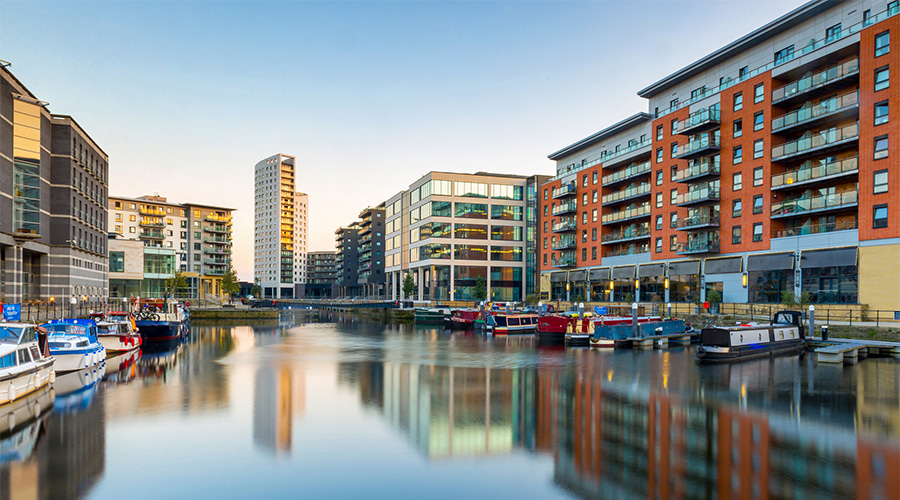
A marina is not simply a piece of commercial land beside the water. It’s a multi-use environment where boats, cafés, holiday lets, workshops and retail activities may operate side by side. That mix makes marina leases particularly interesting and surprisingly easy to get wrong.
Having acted on the tenant side for marina leases, I know that the provisions discussed below need to work in the real world, not just on paper.
The permitted use clause is the foundation for everything the tenant plans to do at the marina. In my experience, this is one of the first clauses worth scrutinising closely because a narrowly drafted clause can turn an ordinary business change into a technical breach of lease. It should be broad enough to cover the full commercial mix: mooring boats, running a café or holiday lets, building and repairing boats and selling related goods.
Marina businesses rarely remain exactly as they began. New facilities, changing customer demand and additional revenue streams may all shape the operation over time. The lease should give the tenant enough flexibility to adapt the use of the site without having to renegotiate the entire arrangement whenever the business moves forward.
In a marina, a repairing obligation can reach far beyond the building or office a tenant may have expected to occupy. It may extend across pontoons, gates, waterways and other infrastructure that forms part of the site. The apparent simplicity of the premises can conceal a much wider repairing burden.
The lease should map those responsibilities clearly and carve out anything the tenant is not meant to maintain. If the demise (the area legally included in the lease) contains a shared security gate or lock gate, the tenant could otherwise inherit responsibility for repairing it by default. Express exclusions can prevent a tenant from paying to maintain infrastructure that serves the wider marina.
Where the marina sits within a larger estate, or the landlord maintains roads, security, waterways or other common areas, the service charge deserves the same attention as the headline rent. The tenant needs to understand what can be recovered, how costs are allocated and whether the charging mechanism reflects the benefit the tenant actually receives.
A negotiated service charge cap can provide welcome certainty, particularly where maintaining a waterside estate involves unpredictable expenditure. Without some control, an unexpected repair or infrastructure project can materially change the cost of occupying the marina.
A break clause is only useful if the tenant can satisfy its conditions in practice. Its timing, notice requirements and any conditions attached to exercising it should therefore be negotiated with the tenant’s actual operation in mind, rather than treated as standard boilerplate.
Vacant possession is a common trap. If exercising the break requires the marina to be handed back empty, a café or workshop occupying part of the site under a sublease or licence may prevent the break from taking effect. A tenant could serve notice on time and still be unable to exit because a café sublease remains in place. This is one of the most common pitfalls in marina leases. That risk should be identified before the tenant commits to subletting parts of the marina.
As in many commercial leases, the starting position is usually that the tenant cannot transfer the lease or sublet without the landlord’s consent. In a marina, however, that standard restriction can sit awkwardly with the way the business is actually operated.
A single marina tenant may host several complementary businesses, from a café to a boat repair workshop. Seeking consent every time a small, defined area is sublet can create delay and unnecessary administration. In practice, I find negotiating this flexibility early can be worthwhile. It’s often worth seeking permission to sublet specified areas without further landlord consent, so the lease supports the marina’s commercial ecosystem rather than obstructing it.
Flexibility doesn’t remove the need to check the operational rules. The lease may impose obligations on businesses operating from the site, for example requiring the café to open during specified hours. Those requirements should be identified early and tested against the arrangements the tenant intends to put in place.
A marina may stretch across a substantial area, while the legal demise covers only part of it. The tenant may still need to cross or use land and water outside that boundary to reach berths, facilities or operational areas. Those rights should be secured in the lease rather than left to informal assumptions about how the marina is used.
The lease plan should identify each additional area the tenant needs to use, with the corresponding rights clearly granted in the lease. A marked plan can make the difference between a dependable route to the water and an argument later about whether the tenant was ever entitled to use it.
Works at a marina often affect more than the tenant’s own premises, particularly where the waterway or basin is involved. The lease may require prior approval from a qualified engineer and compliance with the landlord’s code of practice before alterations begin. Those requirements should be understood at the outset so a planned improvement doesn’t stall after the design and funding are already in place.
Environmental provisions can be especially significant in a marina lease. They may require the tenant to prevent contamination of waterways and ensure they remain sufficiently dredged. These aren’t abstract compliance points; they can affect day-to-day operations, costs and the tenant’s ability to keep boats moving safely through the site.
Water levels deserve particular attention. In my experience, this is one of the less obvious risks tenants overlook. Landlords will often exclude liability for failing to maintain them, even though low or changing levels can directly affect access, moorings and the tenant’s business. The tenant should understand that allocation of risk before signing and assess whether the lease provides enough protection for the operation it plans to run.
A marina lease has to work on paper and on the water. Having advised on the tenant’s side, I know that the best agreements anticipate how people, boats, services and supporting businesses will move through the site and allocate responsibility accordingly.
Careful specialist negotiation at the outset can protect flexibility, control costs and preserve a realistic route out if the business changes. For tenants in this distinctive sector, getting the lease right from day one isn’t a paperwork exercise; it’s part of building a business that can thrive.