

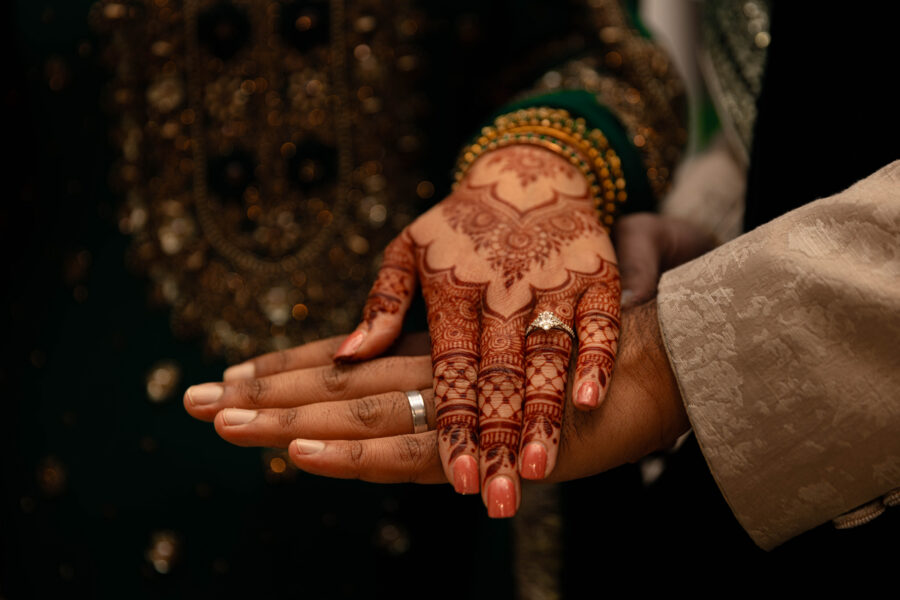
For many Muslim couples, marriage carries both religious and legal significance. A Nikah is a meaningful and sacred Islamic marriage ceremony. However, it’s important to understand that religious recognition and legal recognition are not always the same in England and Wales.
This article explains the role of marriage in Islam, the key elements of the Nikah ceremony and why couples should ensure their marriage also satisfies the legal requirements of England and Wales.
What is marriage in Islam?
Marriage and family life are of great significance in Islam. Marriage is regarded not only as a personal commitment, but also as a relationship founded on faith, mutual respect, responsibility and shared obligations.
An Islamic marriage is known as a Nikah. It creates a sacred and binding marriage contract between two parties, enabling them to live together as husband and wife in accordance with Islamic principles.
What is a civil marriage?
A civil marriage is governed by legislation and must meet specific requirements for it to be considered valid and lawful. These include both parties having the capacity to marry, freely consenting to the marriage and complying with the formal requirements of the marriage ceremony.
Is a Nikah legally recognised in England and Wales?
In short, a Nikah is not automatically recognised as a legal marriage in England and Wales.
Where parties enter into a Nikah in England and Wales, the ceremony may be valid from an Islamic perspective. However, unless the marriage also complies with the requirements of English law, it will not be treated as a valid civil marriage. In that situation, the parties are generally treated as cohabitees rather than spouses.
To ensure the marriage is legally recognised, Muslim couples should either marry at a mosque that is registered for marriages and comply with the requirements of the Marriage Act 1949 or complete a separate civil marriage registration in addition to the Nikah.
What is the Nikah process?
The Nikah is usually officiated by an imam, who conducts the ceremony and may deliver a sermon, known as a Khutbah, on the importance of marriage and family life. Before conducting the Nikah ceremony, the imam will usually confirm that the parties are able to marry under Islamic principles, including that they are of age and freely consent to the marriage.
Ijab and Qubool
The marriage process begins with one party proposing the Nikah and the other accepting it. This process of proposal and acceptance must take place in the same meeting or gathering and in the presence of at least two adult Muslim witnesses. The bride should also be accompanied by a Wali, often her father or male guardian, to represent and safeguard her interests.
It’s essential that both parties clearly intend to enter into the Nikah and give their consent freely, without pressure or coercion.
Mahr
The agreed Mahr is then confirmed. The Mahr is a mandatory gift from the groom to the bride. Although the gift itself is discretionary, its nature and value are usually agreed between the parties before the Nikah ceremony. The declaration and giving of the Mahr symbolises the commitment being undertaken and reflects the groom’s intention to honour and provide for his wife.
Nikah Nama
The parties will then sign the marriage contract in the presence of the witnesses. This contract, known as the Nikah Nama, records the agreed terms between the parties, including the Mahr. It may also include conditions relating to living arrangements, financial responsibilities, rights within the marriage and arrangements in the event of divorce.
Once these steps have been completed, the Nikah ceremony concludes and the parties are regarded as married under Islamic law.
Conclusion
A Nikah is a deeply significant religious commitment and an important part of Muslim family life. Couples should ensure they understand the terms recorded in the Nikah Nama and the rights and responsibilities that arise under Islamic law.
Couples should also be aware that a Nikah alone will not usually provide the legal rights and protections available to married spouses in England and Wales. Completing a civil marriage or ensuring the Nikah is conducted in a legally recognised way can provide important protection in relation to inheritance, tax benefits and financial protection in the event of a divorce. Taking these steps at the outset allows couples to honour their religious commitment while also safeguarding their legal position.
How can we help you?
Related articles


Article
30 September 2026
7 minute read
Why is the court system still the norm for resolving family disputes?
Read more

Article
20 August 2026
6 minute read
When should you speak to a finance divorce lawyer about financial settlements?
Read more

Article
18 August 2026
8 minute read
Summer holidays after separation: what if the arrangements are already going wrong?
Read more
Article
12 August 2026
7 minute read
Family businesses with trustee shareholders: navigating the new business relief landscape
Read more

Podcast
23 July 2026
3 minute listen
Family Matters, episode 7: Finances on divorce, why conduct matters
Read more

Article
7 July 2026
6 minute read