Article
21 October 2026
8 minute read
This website will offer limited functionality in this browser. We only support the recent versions of major browsers like Chrome, Firefox, Safari, and Edge.
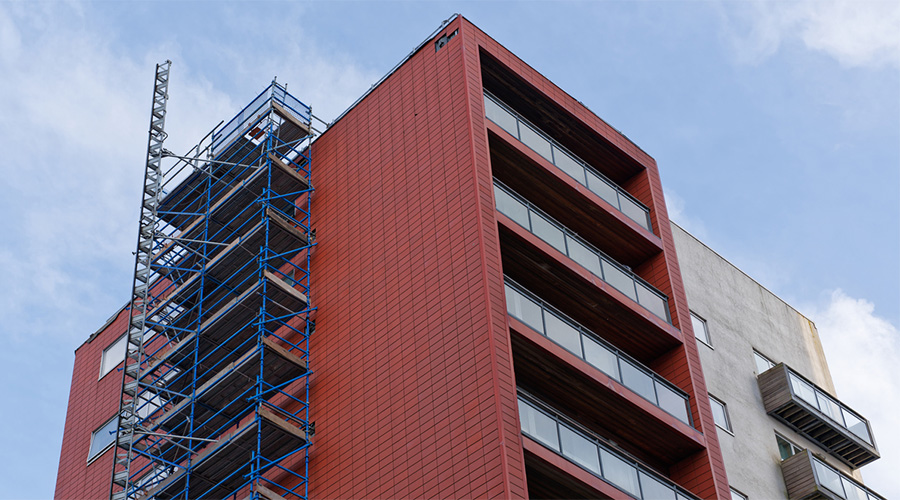
The King’s Speech on 13 May 2026 confirmed the introduction of a Remediation Bill, a proposed piece of legislation with far-reaching consequences for leaseholders, freeholders, developers and construction product manufacturers.
The Bill seeks to break the deadlock that has left many leaseholders unable to sell, remortgage or insure their properties.
Nearly nine years on from the Grenfell Tower fire in 2017, of the 4,310 buildings at 11 metres and above identified with unsafe cladding, work has been completed on only 35%. The government and others have described this pace as inadequate, and the Bill seeks to tackle those who are “blocking remediation, restore confidence in the housing market, and make sure no building, and no resident, is left behind”.
Under the proposed new law, construction product manufacturers will be compelled to contribute towards fixing building safety defects, with new measures enabling developers to pursue manufacturers. The government has committed £5.15 billion to remediation in England, whilst the cost to the 53 developers who signed the Developer Remediation Contract is estimated at £4.2 billion, yet no claim against a manufacturer has been brought to court.
A new legal duty to remediate will require freeholders to identify, assess and fix their buildings without delay or face criminal prosecution. Regulators will be given enhanced powers to sanction those who “continuously and egregiously block remediation”.
Landlords of buildings over 18 metres must complete cladding remediation by the end of 2029, with buildings between 11 and 18 metres to follow by the end of 2031. Those who fail without reasonable excuse could face unlimited fines or imprisonment.
The Bill also mandates a nationally consistent approach to external wall assessments and the creation of an 11–18 metre register. A “remediation backstop” will allow third parties, such as Homes England, to step in where landlords refuse to act, with costs recovered and the potential forced sale of their interest.
Andy Roe, Chair of the Building Safety Regulator Board, said the legislation would provide “additional tools we need to compel reluctant landlords to take action to remediate their buildings and remove unsafe cladding, or face severe sanctions”.
However, others have flagged that the Bill includes nothing by way of a backstop for developers who have completed only 10 per cent of pledged remediation work. There is also nothing to address internal safety defects such as inadequate compartmentation and non-compliant fire doors. Campaign groups have cautioned that the proposed legal duty and backstop “are likely to take years to have any effect, and even then, only for a fraction of affected buildings”.
While the proposed measures apply in England only, the implications are significant. For leaseholders, mandatory deadlines, criminal sanctions and the remediation backstop should incentivise progress in a housing market paralysed by the cladding crisis, aiming to restore property values and the ability to sell or remortgage.
For freeholders, developers and manufacturers, the commercial incentive could be decisive, with unlimited fines, imprisonment and forced sale of interests all meaning delays become a far riskier proposition than remediation action.
Ultimately, the success of this legislation will be measured not by its ambition, but by whether it delivers the commercial certainty and safe homes that leaseholders have been promised.