Article
1 October 2026
7 minute read
This website will offer limited functionality in this browser. We only support the recent versions of major browsers like Chrome, Firefox, Safari, and Edge.
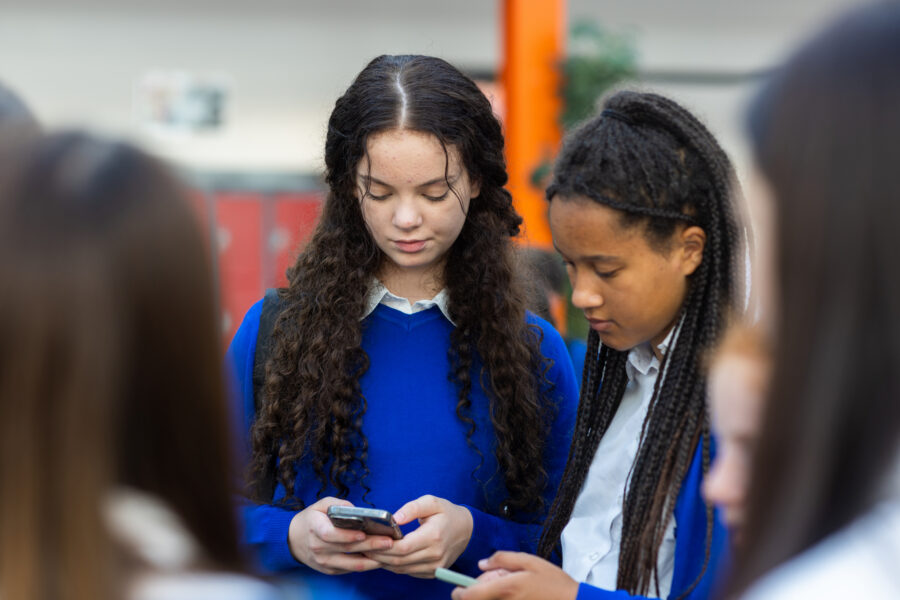
In recent years, the ever-growing use of social media platforms by young children has prompted many debates about the associated risks, particularly around compulsive design features, harmful content and the displacement of healthy activities.
Research shows that more than 81% of 10–12-year-olds use at least one social media app or site, and that more than 60% of 8–14-year-olds use a device between 11pm and 5am at least once over a four-week period.
On 15 June 2026, following a national consultation that received more than 116,000 responses, former prime minister Keir Starmer announced that social media platforms will be banned from offering services to under-16s. The ban, which the government has described as going “further than any other country”, is expected to come into force by spring 2027.
The announcement follows the passing of the Children’s Wellbeing and Schools Act 2026, which requires the government to impose age or functionality restrictions for children under 16.
Under-16s will be prevented from downloading or accessing a range of social media platforms, including Snapchat, TikTok, YouTube, Instagram, Facebook and X. Messaging services such as WhatsApp and Signal are not affected, and YouTube Kids will also be excluded.
The government has confirmed that the ban will follow the same model as Australia, which in December 2025 became the first country to bar under-16s from social media platforms.
However, the UK’s restrictions go beyond those in Australia. In addition to the platform ban, the government will block under-16s from livestreaming and communicating with strangers on a wider range of online services, including gaming sites such as Roblox. These restrictions on livestreaming and stranger communication will also be activated by default for 16- and 17-year-olds to prevent a ‘cliff-edge’ effect when children turn 16.
The government has also indicated that it’s considering overnight curfews and measures to limit infinite scrolling for under-18s, with further details expected in July 2026. AI-powered ‘romantic companion’ chatbots will also be restricted to users aged 18 and over.
The responsibility for enforcing the ban will fall on social media platforms, not on schools, parents or children. Platforms that fail to take reasonable steps to exclude under-16s could face significant fines.
Media regulator Ofcom has been asked to conduct a rapid study to identify the most effective methods of age verification for determining whether a user is over 16. The government has indicated that methods may include facial age estimation (FAE) technology, an AI-powered tool that analyses a selfie to estimate a person’s age. Many existing adult users will not need to undergo new age checks, for example where their account has been open for more than 16 years or is already linked to a verified payment method.
Significant questions remain about how effective the ban will be in practice. The announcement has drawn mixed reactions: Esther Ghey, whose 16-year-old daughter Brianna was killed in 2023 by two teenagers who had accessed harmful content online, said the ban would “potentially save so many children’s lives”. Others, including Meta and the Open Rights Group, have warned that the ban could push young people towards less regulated and potentially more harmful platforms.
Australia’s ban on social media for under-16s took effect on 10 December 2025, and the UK government has said it will learn from that experience.
Within the first month of the ban being introduced, platforms removed or restricted access to approximately 4.7m under-16 accounts. However, Australia’s eSafety Commissioner reported in March 2026 that a “substantial number” of under-16s still retained their accounts, had successfully created new ones or had bypassed age verification systems. A recent study found that 61% of Australians under-16s reported “no or little change” in their social media use following the ban.
Reports from Australian schools suggest that children have circumvented the restrictions by using VPNs, shifting conversations to gaming and messaging apps or fooling facial age estimation technology. To try to combat this, some Australian schools have gone further than the national ban and implemented their own policies, requesting that families do not purchase smartphones for pupils in certain year groups.
These experiences suggest that while the ban is an important first step, it’s unlikely to be a complete solution, and schools will need to continue to play an active role in educating pupils about online safety.
While the social media ban will be enforced at platform level rather than by schools, there are a number of practical implications that schools should be aware of.
Schools should review and, where necessary, update their acceptable use policies and online safety policies to ensure that safeguarding training for staff addresses the possibility that pupils may attempt to circumvent restrictions, for example by using VPNs or migrating to unregulated platforms.
The Department for Education (DfE) guidance, ‘Mobile phones in schools’, will be placed on a statutory footing from 29 June 2026. Under the guidance, schools should be mobile phone-free environments by default throughout the school day, including during lessons, break times and lunchtimes.
While many schools already comply with this expectation, the move to statutory status raises the threshold for any exceptions and is likely to be subject to closer scrutiny by inspectors. Ofsted has confirmed that from April 2026, it will examine both schools’ mobile phone policies and how effectively they are implemented when judging behaviour during inspections. It’s anticipated that the Independent Schools Inspectorate will follow the same approach.
Schools should consider how the ban will interact with their wider pastoral and wellbeing strategies. The experience from Australia suggests that some children may feel more socially isolated when cut off from platforms that served as their primary means of communication with peers outside school hours. Schools should be prepared to support pupils who may be affected in this way and to signpost families to appropriate resources. There may also be a role for schools in delivering digital literacy education to prepare pupils for their eventual engagement with social media when they turn 16, so that they’re equipped to navigate these platforms safely and responsibly.
Schools with significant sporting programmes should be mindful of the potential impact of the ban on how they promote events, engage with pupils and parents and manage any social media accounts used for school sports activities. The restrictions on livestreaming for under-16s, in particular, may require schools to reconsider how they broadcast or share footage of school sporting events, fixtures and competitions involving pupils under 16.
The government has indicated that further details will follow in due course, including plans for addressing the use of VPNs to circumvent restrictions and further measures for 16- and 17-year-olds. While restrictions on livestreaming and stranger communication have been confirmed as on by default for this age group, the government is still considering whether to introduce overnight curfews on social media use and limits on infinite scrolling for under-18s.
Legislation is expected to be introduced to parliament before the end of 2026, with enforcement beginning in spring 2027. Schools should use the intervening period to review their policies and prepare for the changes ahead.