Article
21 October 2026
8 minute read
This website will offer limited functionality in this browser. We only support the recent versions of major browsers like Chrome, Firefox, Safari, and Edge.
Thousands of smaller shops, cafés, pubs, salons and gyms could pay less, or no, business rates from April 2027. Here’s what the changes mean for occupiers and landlords.
Rates are one of the largest fixed costs of occupying commercial property. Changes of this scale affect what tenants can afford, how leases are negotiated and how landlords’ position and let their properties.
The headline measure is a significant increase in small business rates relief for retail, hospitality and leisure properties in England.
From 1 April 2027:
The government expects the changes to remove around 70,000 more businesses from the business rates system. It says half of all retail, hospitality and leisure properties in England will pay nothing.
Full relief is generally available only when a business occupies one property, or one property and a small second property. Offices, industrial units and other non-retail premises will remain subject to the existing, lower thresholds.
The West Midlands is well placed to benefit. The region has many smaller retail and hospitality units in town centres, market towns and neighbourhood parades, with rateable values close to or within the new relief band.
Analysis by BusinessRateChecker of the Valuation Office Agency rating list suggests that the region’s largest council area has more than 2,400 properties in the new band, more than anywhere else in England.
In Coventry, the median rateable value across more than 8,800 non-domestic properties is around £11,000. This means a large proportion of smaller premises are at or below the new thresholds.
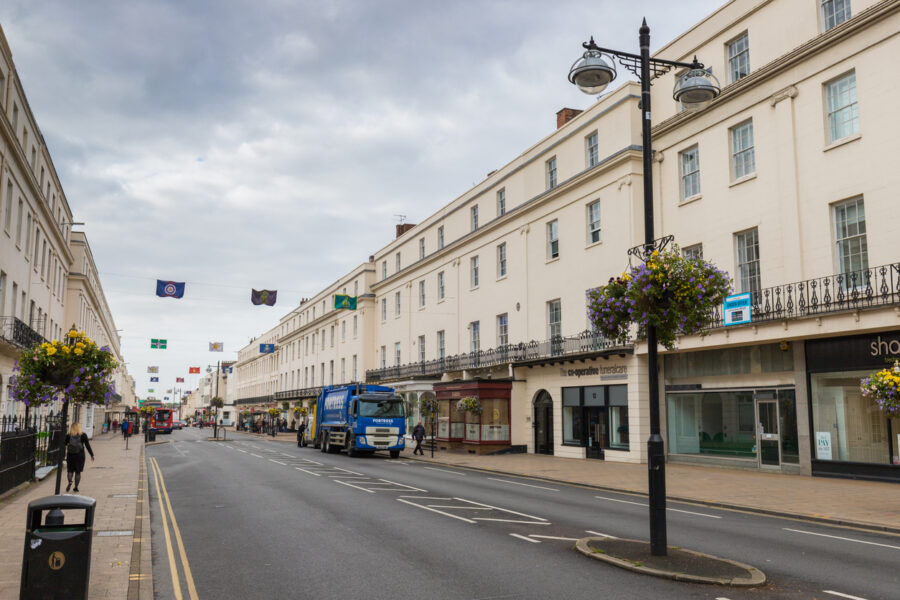
The position is likely to be similar in Warwickshire market towns, including Leamington Spa, Warwick, Stratford-upon-Avon, Rugby and Nuneaton, where independent retailers and hospitality businesses make up much of the high street.
The Budget also confirmed a move towards local retention of business rates, with mayors receiving a share of business rates income from 2027. Over time, this could give the region greater influence over how that income supports local infrastructure and regeneration.
For eligible tenants, removing a rates bill worth several thousand pounds a year could make a significant difference to affordability.
Occupiers should:
Occupiers should also consider the wider cost picture. The National Living Wage is expected to rise by 3.9% from April 2027, while energy and employment costs remain high. For many businesses, rates relief may offset rising costs rather than create a net gain.
Although occupiers pay business rates, those costs affect the total amount a tenant can afford.
A meaningful reduction in rates for smaller retail and hospitality properties could:
Not every occupier will benefit. Relief thresholds for offices and industrial premises won’t change, while hotels have been left out of the additional relief available to pubs and live music venues. Landlords with mixed portfolios should review which tenants will benefit and which won’t.
The changes will take effect on 1 April 2027, giving occupiers and landlords time to plan.
Questions to consider include: