Article
21 September 2026
4 minute read
This website will offer limited functionality in this browser. We only support the recent versions of major browsers like Chrome, Firefox, Safari, and Edge.
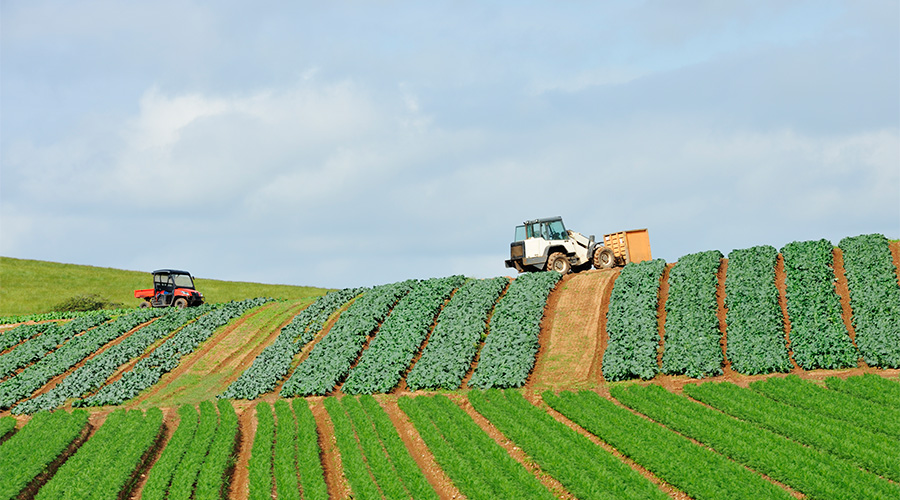
The publication of Defra’s Land Use Framework on 18 March 2026 marks a significant moment for the future of land management. The Framework intends to provide a long-term, strategic approach to managing England’s finite land resources. Necessarily, this means setting out how competing demands on land, including food production, nature recovery, housing, energy and climate mitigation, should be balanced in future.
For farmers, the Framework raises important questions about how agricultural land will be valued and prioritised within a rapidly shifting policy landscape. These questions are far from new. Over recent years, government policy has often prioritised environmental incentives. This has understandably left farmers questioning where their graft to produce food for the nation fits with current policy.
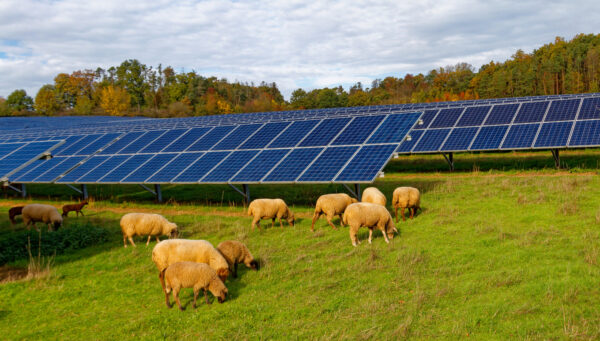
Against this backdrop, the Land Use Framework seeks to address long-standing concerns around fragmented decision-making. At a high level, it sets out a series of national principles and places increased emphasis on better data, spatial planning and so-called ‘multi-functional land use’ – the idea that land can, with the right support, deliver environmental, economic and social benefits alongside food production.
These are elements of the Framework that will be cautiously welcomed, as it appears to acknowledge that land must serve multiple functions – with explicit reference to food production as well as nature recovery.
However, how these priorities will be balanced in practice remains to be seen.
The recent report from our Agriculture and Estates team, Food for Thought: Shaping sustainable farming futures, emphasises the importance of a balanced approach to land use.
Food for Thought warns that UK food production could fall by more than a third by 2050, with self-sufficiency levels already sitting at around the 60% mark. If the new Framework does not place domestic food security on at least an equal footing with environmental and energy objectives, we may risk accelerating this decline.
The report also comments on the apparent “postcode lottery” generated by the planning system in England and Wales and how it can present inconsistent local interpretations of national policy. This, in turn, can create barriers to diversification and innovation. If the Land Use Framework is to have real impact, it must translate into clearer, more consistent guidance for local planning authorities, particularly when it comes to supporting farm-based development and on-farm infrastructure.
The Framework has the potential to support both environmental objectives and a resilient, productive agricultural sector. It remains to be seen whether it delivers practical clarity for those managing land and gives farmers the confidence to invest, or whether further work is needed to ensure food production remains embedded in England’s land-use priorities.