Article
21 September 2026
4 minute read
This website will offer limited functionality in this browser. We only support the recent versions of major browsers like Chrome, Firefox, Safari, and Edge.
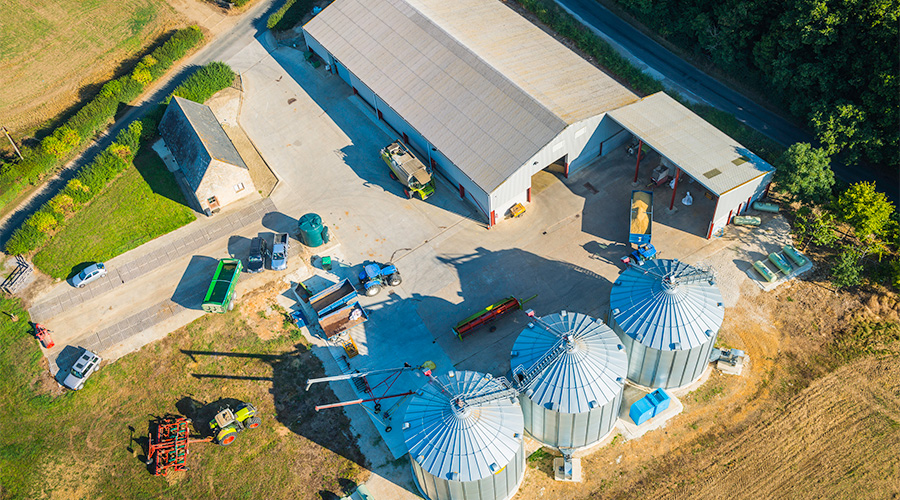
Planning policy shapes how UK farms invest and adapt for the future. Yet despite the clear benefits of diversification, the speed (lack of), unpredictability and complexity of the current planning system is holding back agricultural innovation.
HCR Law’s latest agriculture report, “Food for Thought: shaping sustainable farming futures”, looks at the structural barriers facing UK farming – with one of the most significant being the planning system.
Across England and Wales, inconsistent and complex planning processes are limiting farms’ ability to respond to changing market conditions and community needs. Farmers looking to make better use of existing assets, such as old grain stores or sheds, often face a complicated process to change land use classifications.
Rather than supporting adaptation, the system can create delays and additional costs, discouraging investment before projects even begin.
Planning controls are necessary to ensure appropriate development. However, this lack of flexibility presents a serious challenge for a sector expected to deliver food production, environmental outcomes and rural economic growth at the same time.
A recurring theme in “Food for Thought” is the lack of consistency between local planning authorities.
What may be approved on one farm can be refused on another just a few miles away, depending on how national policy is interpreted locally. Despite policy frameworks designed to encourage diversification and rural enterprise, outcomes can vary widely between authorities.
This “postcode lottery” makes it difficult for farmers to plan, particularly where projects are phased or designed to support long-term growth.
The report shows how planning delays actively restrict diversification, even where proposals would support local food production, community access or environmental goals.
Farmers often face multiple rounds of planning applications (and/or planning appeals), with decisions taking several years. Projects such as farm shops, food processing facilities, agri-tourism ventures and community hubs are frequently delayed, scaled back or abandoned altogether due to uncertainty and rising costs.
This all has a knock-on effect on the types of projects farmers choose to pursue – or decide not to pursue at all.
Permitted development rights are intended to make diversification easier by reducing the need for full planning permission. In practice, the report shows that uncertainty around how these rights are applied often creates more problems than solutions.
Mechanisms such as Class R permitted development rights (England only), designed to make changes from agricultural to commercial use more straightforward, are interpreted differently by local planning authorities.
Farmers often face unclear thresholds for prior approval, pushing relatively modest developments into full planning applications. This increases risk, cost and delay, particularly for projects relying on external funding or tight timelines.
Modern farm innovation rarely fits neatly within traditional agricultural planning categories. Full applications often require extensive documentation covering environmental impact, traffic, visual amenity and community concerns.
Local objections and vague guidance can further complicate outcomes and discourage investment, especially for smaller or family-run farms without in-house planning expertise.
As the report recognises, innovation increasingly requires legal, professional and financial capacity that many farms simply don’t have.
“Food for Thought” positions planning complexity as part of a wider set of systemic issues suppressing growth and innovation across the sector. Over time, this weakens domestic food production and increases reliance on imports, with implications for food security and environmental impact.
Planning should balance environmental and community interests without stifling agricultural innovation. The report calls for clearer guidance, greater consistency between authorities and more affordable planning processes to support innovation and phased diversification, reducing the need for repeated planning applications.
The full report features insights from our Agriculture and Estates team and leading industry voices to examine the current state of UK farming and the future of British food security.