Article
21 September 2026
4 minute read
This website will offer limited functionality in this browser. We only support the recent versions of major browsers like Chrome, Firefox, Safari, and Edge.
30 July 2026
Make an enquiry
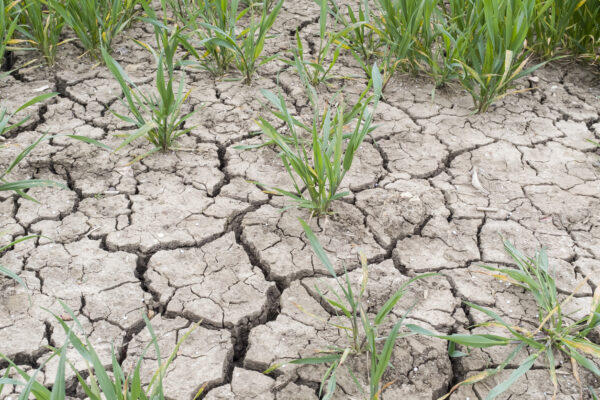
The current drought has again exposed how vulnerable food production is when water becomes scarce – the current drought has been dominating farmhouse discussions for the last few weeks, says Rory Hutchings, HCR Law Partner and Head of our Agriculture and Estates Team.
“On a train back from London earlier this week it was clear to see how dry the countryside has become. The impact is immediate – farmers are having to use fodder to feed their animals, dairy production has suffered and harvest yields have taken a battering.
Farmers are well used to managing weather risk and planning farming operations around the forecast. However, longer dry spells, hotter summers and more extreme weather through the year means that the weather is increasingly hard to predict; the availability of water is now a core part of farm business resilience and it needs to be considered and planned for.
Many farmers know what the sensible answer looks like: capture water when it is available, store it safely, and use it efficiently when crops, livestock and soils need it most. That might mean rainwater harvesting, improved irrigation infrastructure or, for many businesses, an on-farm reservoir.
What is not realistic is assuming that farmers pump more water from rivers, streams or boreholes once drought has already arrived. At precisely the point when farms most need water, river flows are low, groundwater levels are under pressure and regulators are rightly focused on protecting habitats, drinking water supplies and the wider environment. Even where abstraction remains lawful, the practical costs of pumping, storing, treating and distributing water across a farm can be significant.
That’s why the debate needs to move towards planned storage. On-farm reservoirs allow water to be collected during wetter periods (of which we have many as weather events tend to become more extreme) and then used during what seems now to be our dry season when demand is highest. Reservoirs offer a more responsible way of balancing farm production with environmental protection.
For growers of potatoes, vegetables, fruit and other high-value crops, reliable access to water can be the difference between a viable crop and a failed one. For livestock businesses, water resilience is also an animal welfare issue. More broadly, if we want domestic food production to withstand a changing climate, we need to make it easier for farms to invest in the infrastructure that makes that possible.
But building a reservoir is rarely simple. It will likely involve planning permission, abstraction licensing, environmental surveys, ecology work, flood risk assessment, engineering design, reservoir safety requirements and significant capital expenditure. These are not minor farm improvements. For farmers trying to build resilience, the process of gaining the permissions needed can be slow, expensive and unpredictable.
Reservoirs require long-term investment and, in many cases, external funding. Farmers cannot sensibly commit to major capital projects if the consenting route is unclear or if the timetable is open-ended. The industry and government need to come together to work out solutions and in my view there should be a presumption in favour of planning permission for small on-farm reservoirs or potentially even extended permitted development rights so that the administrative process does no more than is necessary to make sure that what is being proposed is appropriate.
We have a habit of gold plating the administrative process and while no doubt each aspect of that gold plate has some justification and there is a need for proper scrutiny, the emphasis now should be on clearer guidance, faster decision-making and greater consistency between authorities. Pragmatic solutions rather than red tape is needed.
If government wants farmers to adapt to climate challenges, support food security and reduce reliance on emergency abstraction, then on-farm water storage must be treated as strategic infrastructure and there should be a clear path to allow that to happen without undue delay and additional cost.
Earlier this year we produced Food for Thought, which examines the future of British food security is here. Featuring insights from our Agriculture and Estates team and leading industry voices, Food for Thought sets out the current state of UK farming and what needs to change to shape sustainable futures.