Article
1 September 2026
8 minute read
This website will offer limited functionality in this browser. We only support the recent versions of major browsers like Chrome, Firefox, Safari, and Edge.
21 September 2026
Make an enquiry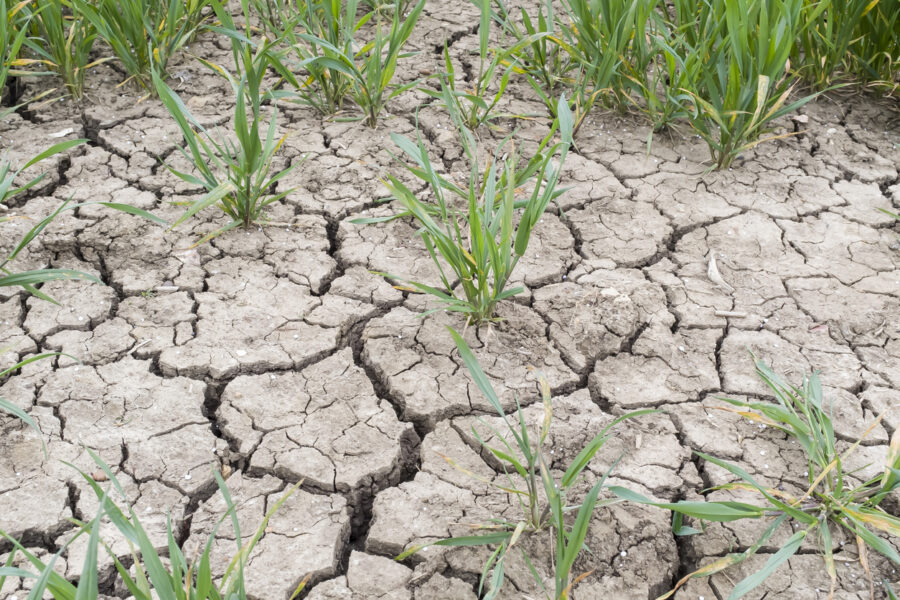
British farming has long been shaped by the weather, but the summer of 2026 has pushed the industry into uncharted territory. Record-breaking temperatures and prolonged drought have tested even the most resilient agricultural businesses. As the dust settles (literally), the true cost of this extreme season is only beginning to emerge.
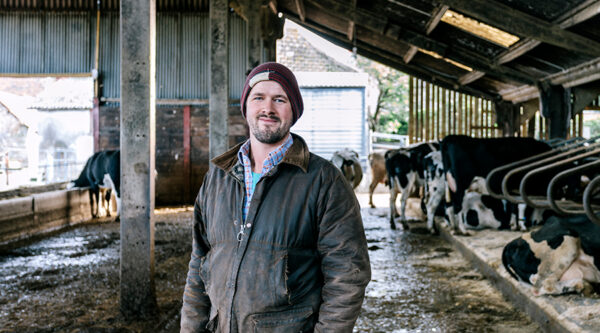
During the drought itself, the immediate economic impact could be felt across the sector. For livestock farmers, heat stress resulted in a significant decrease in milk yields for dairy farmers, while beef cattle gained weight more slowly, extending finishing times and increasing feed costs. Shepherds also saw their sheep suffer severe respiratory distress, particularly those still carrying heavy fleeces.
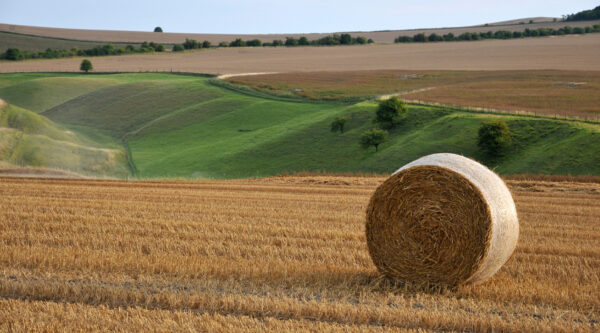
For arable farmers, the picture was equally stark. Wheat, barley and rapeseed ripened earlier than usual, with grain moisture falling well below the normal 15% threshold, in some cases as low as 5%. Lower moisture means crops weigh less and farmers are paid less for the same volume. Straw tonnage has also fallen, as brittle stems caused some crops to collapse, making harvest impossible. Many grass forages wilted and stopped growing altogether.
Yet as temperature drops and autumn looms, the full and lasting effects of the summer’s drought and heatwave are yet to be fully quantified. The long-term consequences of the poor harvest mean farmers will need to buy in feed and, given the demand, prices will inevitably be inflated.
For animals, prolonged heat stress weakens immunity, increasing infections and driving up veterinary bills. Fertility cycles are disrupted, with animals failing to conceive or losing offspring altogether. Lameness also rises as livestock stand on hard, dry ground for extended periods, and mosquito-borne diseases such as bluetongue, normally confined to warmer climates, have now found their way to the British Isles.
Perhaps the most concerning long-term effect is on the land itself. Heat dries out soils, reducing biological activity, causing compaction and erosion and altering soil pH to the point where heavy cultivation and the spreading of lime become necessary to restore basic growing conditions. That cultivation, in turn, releases carbon – an unwelcome consequence in an era of increasing carbon accountability for farming businesses.
As we will no doubt see over the coming months, drought is not a single-season inconvenience. It’s a compounding economic threat that touches every corner of the farming business. Resilience planning and early legal and financial advice have never been more important.