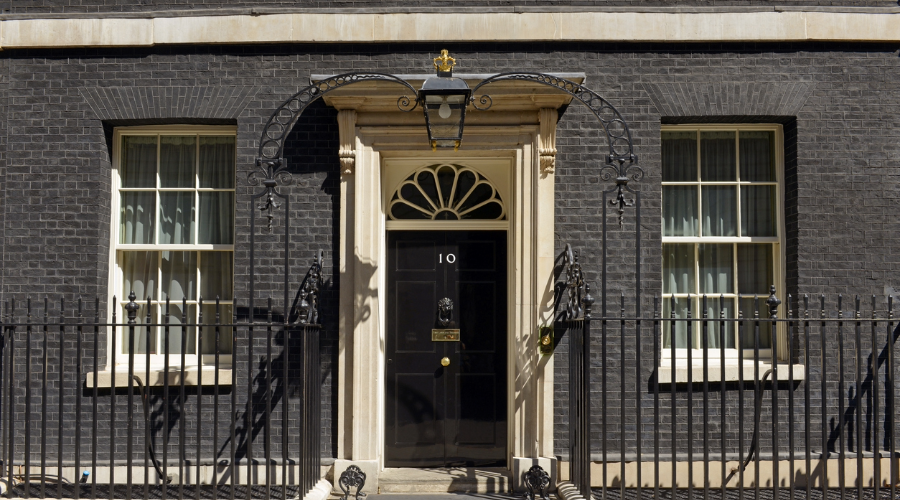
On 28 October 2026, the new Chancellor, John Healey, delivered his first Budget. Thankfully, there were no big surprises, but a raft of smaller measures, 98 in total, designed to give the country “breathing space”.
Whilst there were some interesting details signalling possible longer-term reform, here we aim to provide an overview of the key announcements affecting business and personal taxation.
Personal tax announcements
- Income Tax Rates: Savings and property tax rates increased by a further 2% from April 2027, giving marginal rates of 24%, 44% and 49%.
- ISA Allowances: The ISA allowance is frozen at £20,000, with no cash ISA restrictions for those under 65. The proposed reduction to £12,000 for under-65s has been scrapped.
- First Time Buyers ISA: A new First Time Buyer ISA will replace the Lifetime ISA. We await further detail on this.
- Pension Tax Allowance: A new Pension Tax Allowance will be introduced from 6 April 2027, ensuring no tax is paid on income up to the full new State Pension. This is expected to be £13,036 from April 2027.
- Self Assessment: Self-assessment payments will be reformed from 2029/30, requiring more frequent tax payments aligned more closely with PAYE.
- Pensions and Inheritance Tax (IHT): A reminder that, from 6 April 2027, unused pension pots will be deemed to be within a taxpayer’s estate for IHT purposes. However, several points have been clarified:
- Prospective personal representatives will be permitted, where specified conditions are met, to direct a pension scheme administrator to pay the IHT due to HMRC.
- Pension death benefits no longer need to be paid within two years of death to remain tax free. The two-year rule is being removed with immediate effect so that beneficiaries will no longer be taxable because tax-free pension and lump sum death benefits are paid out more than two years after the member’s death. Currently, where a person dies under the age of 75, their heirs generally receive pension funds paid to them as a lump sum within two years of the notification of the death free from Income Tax. If the payment takes longer, Income Tax must be paid at the recipient’s marginal tax rate.
- It has been confirmed that pensions can be treated as a separate component when determining if the reduced 36% IHT rate applies. Usually, an individual’s assets on death are included in the ‘general component’. Under the original proposals, pensions would also have sat within the general component, significantly increasing its value.
- Cost of Living Measures: A number of measures to assist with the cost of living, which were announced before Budget day, were confirmed:
- Those living in homes within council tax bands A-D in England will receive a one-off £100 “Household Energy Payment” from January. This will be paid directly into bank accounts.
- The standing charges for connecting to the gas supply will be scrapped in England, Scotland and Wales. Such charges will be shifted onto the unit price for energy. It is understood the Government wishes to extend this to electricity standing charges at a future date.
- The temporary cut in fuel duty has been extended again until July 2027.
Business and investment measures
The Budget also included a number of announcements affecting businesses, business owners and investors, including changes to Capital Gains Tax reliefs, employee share schemes, business rates and employment costs.
- Founders’ relief: The Government has launched a consultation on a new Capital Gains Tax relief for founders. From 6 April 2027, a new 10% Capital Gains Tax rate is proposed for qualifying share disposals in high-growth, innovative UK companies, subject to a £10 million lifetime limit per individual.
Under the proposals, founders must have held at least 25% of the company when it began trading and have held their shares and been UK resident for five years before the sale. The company will need turnover of at least £10 million, have 15 qualifying full-time employees and meet two of three tests relating to turnover growth, headcount growth and R&D spending.
The consultation closes on 30 November 2026, so the detail may change.
- Business Asset Disposal Relief: The lifetime limit for individuals claiming Business Asset Disposal Relief on qualifying disposals will halve from £1 million to £500,000 from 6 April 2027.
- EMI2 share options: From 6 April 2027, the Company Share Option Plan will become “EMI2”, with the individual option limit doubling from £60,000 to £120,000 and the exercise period extending from 10 to 15 years. EMI2 is intended as the next step for scaling businesses that have outgrown the Enterprise Management Incentive scheme.
- Business rates: From April 2027, Small Business Rates Relief thresholds for qualifying retail, hospitality and leisure properties in England will increase from £12,000 to £18,000 for full relief, and from £15,000 to £21,000 for tapered relief.
- Minimum wage: From 1 April 2027, the National Living Wage will rise by 3.9% to £13.21 per hour, with the National Minimum Wage for 18- to 20-year-olds also rising by 3.9% to £11.27 per hour.
- Mileage rates: The 55p per mile tax-free rate for the first 10,000 business miles has been made permanent, while the rate for business mileage above 10,000 miles will increase from 25p to 35p.
- Bank corporation tax surcharge: There will be a temporary increase in the bank corporation tax surcharge from 3% to 6%, effective for 15 months from 1 January 2027.
What didn’t change?
- Income Tax: Income tax thresholds and personal allowances remain frozen until 5 April 2031, continuing to draw more taxpayers into higher tax bands.
The National Insurance freeze was also extended to 5 April 2031.
- IHT: The freeze on current IHT thresholds was extended, ensuring that the current Nil Rate Band of £325,000 and Residence Nil Rate Band of £175,000 for estates below £2 million remain in place until 5 April 2031. Whilst not a direct tax increase, as asset values increase, more estates will come within the IHT net.
Agricultural and Business Property Relief remained at £2.5 million and is also frozen until 5 April 2031. This allowance is transferable between spouses.
- Capital Gains Tax (CGT): There were no announcements in relation to CGT rebasing of assets on the death of a taxpayer or any rate increases that had been the subject of speculation before the Budget.
Looking ahead
Although there were few major surprises in this Budget, the range of measures announced could have important implications for individuals and businesses.
With a number of changes due to take effect from April 2027, it is important to consider how they may affect your personal or business plans and whether any action is needed.
For advice on how the Budget announcements could affect you or your business, please get in touch with our team.