Horses have been part of my life for over 40 years. I have ridden for all of that time, owned horses for the last 20 years and now live on a farm, so the early-morning mucking out, the endless hunt for good grazing and the joy of a quiet hack are all very familiar to me.
Horses are unique creatures, and owning them brings knowledge and experience that cannot be learnt from a textbook. That first-hand understanding helps me appreciate what really matters to equestrians when they buy, sell, rent or refinance a property, whether they are recreational owners, breeders, professional riders or estate owners.
Equestrian properties come with their own set of rules and regulations, whether relating to private or commercial use, the control of harmful weeds such as ragwort or the planning rules that apply to keeping horses and building stables, arenas and other facilities.
Here are some of the things to think about before buying or leasing an equestrian property:
- Access and parking: is there enough space on the property, and are the adjoining roads suitable, to manoeuvre horseboxes and trailers safely?
- Road networks: if you will be travelling frequently, check whether there are good connections to major road networks
- Storage: is there ever enough? On a serious note, is there sufficient space to store bedding, hay, feed, tack, rugs and all the horsey paraphernalia we equestrians seem to accumulate?
- Hacking: if you are a happy hacker, what is the hacking like in the area? Are there plenty of local bridleways? If so, check whether they are in regular use and how you would reach them – if it means riding along a busy A road, that might not be suitable
- Land: for professionals, check there is enough land to meet your current business needs in terms of turnout, riding and facilities, as well as room to expand in the future
- Facilities: what will you realistically need? A wash box, farrier box, arena, horse walker or storage barn? If the facilities are not already there, you are likely to need planning permission to build them. Bear in mind, too, that using agricultural land for keeping horses, rather than simply grazing them, can itself require planning permission for a change of use. Before you commit to buying or leasing, it is worth seeking pre-application advice from the local planning authority on whether permission is likely to be granted and checking that any existing buildings and uses have the necessary consents
- Rights of way: do any public footpaths or bridleways cross the property? If so, think about how you will keep horses and the public safely apart, for example by fencing alongside the route, and how you will discourage people from feeding the horses. It is worth noting that you cannot obstruct the right of way itself – fencing across it, or adding new gates or stiles, generally needs the consent of the local highway authority
- Veterinary practice: is there an equestrian vet in the area, and how quickly could they reach you in an emergency? It is also worth checking for a local farrier
- Title deeds and use: ask your solicitor to check the title for any restrictions or covenants affecting use, such as a requirement to obtain a third party’s consent before building or an overage provision which would mean paying a share of any increase in value resulting from development to a third party
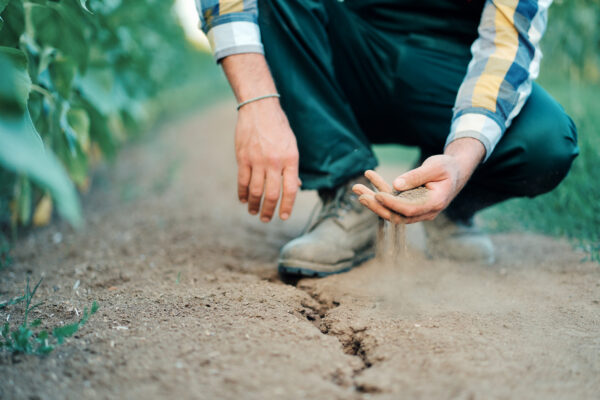
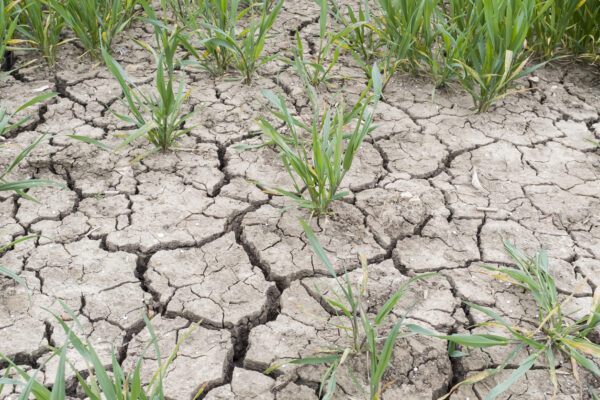
- Be realistic: does the lie of the land and its make-up, including soil and drainage, suit your needs, and will you have the time and equipment to maintain it? Speaking from experience, keeping on top of fields, fencing and hedges takes more time than you might think
- Leasing: when leasing an equestrian property, think about the type of agreement being offered, for example a grazing licence, farm business tenancy or business lease, as this affects matters such as security of tenure. It is also important to be clear about day-to-day practicalities, such as:
- The maximum number of horses that can be kept on the property
- Whether there are any shared facilities, such as a wash box, farrier box or isolation stables, and how their use will be managed
- Whether the landlord or tenant will be responsible for maintaining the property and any shared facilities, whether this extends to structural parts of the property and who will maintain the fencing
- Land management, including whether there is a yard worming programme in place, what pasture management will be required (including dung removal, ragwort control and resting and rotating fields) and who will be responsible for removing the muck heap
- Whether there are any charges for the use of facilities on top of the rent.
Whether you are a horse owner looking to buy your own field, a landowner looking to sell or rent out equestrian premises or facilities, or an equestrian professional looking to buy or lease a yard, understanding these practical and legal considerations from the outset can help you find a property that works for you and your horses.