Article
2 November 2026
8 minute read
This website will offer limited functionality in this browser. We only support the recent versions of major browsers like Chrome, Firefox, Safari, and Edge.

The past two summers have highlighted a stark reality for East Anglia: water cannot be taken for granted.
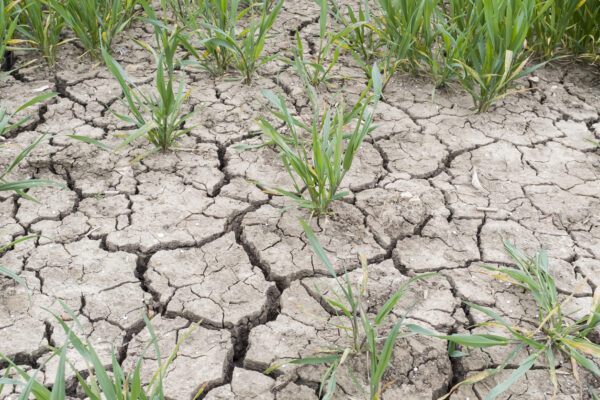
The region is regarded as one of Britain’s arable heartlands, despite also being one of its driest, with average annual rainfall significantly lower than in many other areas of the UK. This year, following months of exceptionally low rainfall and above-average temperatures, the region was formally declared to be in drought.
Rivers reached unusually low levels not seen for decades, groundwater reserves came under pressure and water use restrictions were common. Low-lying Cambridgeshire and the Fens felt the effects significantly, demonstrating that climate change is placing increasing stress on an already fragile system.
East Anglia produces a substantial proportion of the nation’s vegetables, potatoes, salad crops and sugar beet, which are highly dependent on irrigation. Without sufficient water, yields can fall dramatically. Undersized potatoes, vegetables failing to meet supermarket specifications and unpredictable harvest windows can all have serious financial consequences for businesses operating on tight margins, as well as affecting what is seen on the shelves.
The issue was exacerbated by the previous year. Consecutive dry summers place greater pressure on water resources such as reservoirs and river systems because they usually depend on sustained periods of winter recharge. The landscape doesn’t have time to recover, directly affecting productivity, profitability and food supply.
Current government policy increasingly emphasises food security, and the recent droughts have exposed the growing tension between protecting rivers and groundwater and ensuring communities have enough water to grow food and thrive.
The recent brown-grassed, low-rivered summers opened everyone’s eyes to the effects of water scarcity on their communities, as well as food production. Water resilience discussions are no longer reserved for water companies, environmental regulators and farmers. Ensuring adequate access to water must form part of the conversation for everyone.
One of the most widely supported solutions is to increase the amount of water stored during wetter periods of the year, when flows are higher and environmental impacts are lower. Water can then be stored in reservoirs and used during dry periods when crops require irrigation, reducing dependence on river abstraction during the hottest months, when aquatic ecosystems are under greatest stress.
Properly designed reservoirs can also provide wider benefits beyond irrigation, such as wetland habitats, enhanced biodiversity, opportunities for nature recovery and greater resilience to future climate shocks.
Capturing surplus winter rainfall and storing it for summer use is also an adaptation strategy that aligns with the direction in which the climate appears to be moving.
Creating a farm reservoir is not simply a case of digging a hole in the ground. It requires planning permission from the local planning authority and the process can be complex, with landowners potentially engaging with multiple regulatory bodies before construction can begin.
Detailed information will often be required regarding landscape and visual impacts, traffic generation during construction, agricultural land classification and effects on neighbouring properties.
Environmental issues also frequently become a major consideration. Applicants may need to commission ecological surveys covering protected species such as breeding birds, bats, great crested newts and reptiles, as well as habitat impacts.
Archaeological investigations may also be required where heritage assets could be affected. Assessments are often necessary to demonstrate that the reservoir will not affect watercourses, groundwater systems or flood risk elsewhere. Engineers may need to provide detailed designs addressing embankment safety and long-term maintenance requirements.
Obtaining all necessary consents can take years and involve significant professional fees, putting many farmers off the idea. A more streamlined process might encourage and allow them to adapt more easily to the pressures of climate change.
Another significant challenge is abstraction licensing. Anyone wishing to abstract more than 20 cubic metres (20,000 litres) of water a day from a natural source in England will generally require a licence from the Environment Agency.
The licensing regime exists for good reason, as river ecosystems need protection and excessive abstraction can have serious environmental consequences. However, some farmers and rural businesses argue that the current framework was largely designed around historical rainfall and river flow patterns, which may be unreliable indicators of future conditions.
While environmental protection must remain paramount, the key policy question is whether planning and licensing rules, catchment strategies and water allocation systems are adapting quickly enough to reflect our new normal.
On-farm storage is only part of the story. Anglian Water is also promoting a major new reservoir between Chatteris and March, aiming to store water primarily for local homes.
Supporters of the project cite benefits such as reliable supplies for the area’s growing population and improved water management, as well as new spaces for wildlife, recreation and education. Sceptics fear its construction will affect water availability while the reservoir is being filled and that it will serve communities further away without benefiting the area directly affected by its construction.
Direct agricultural use is generally not part of the plan, though there may be indirect benefits to agriculture from easing public pressure on rivers and groundwater. This is despite the pipelines and above-ground infrastructure needed to serve the reservoir largely affecting the rural landscape.
Its construction will require landowners to grant new rights over land. Where voluntary agreements cannot be reached, compulsory purchase powers may be used. Affected landowners would be well advised to take early advice and engage constructively.
There is a successful example down the road. Rutland Water was planned in response to post-war population forecasts and was filled in 1979, following the droughts of 1975 and 1976. Today, it supplies local treatment works while also serving as an important wildfowl sanctuary and home to the Rutland Osprey Project.
Anglian Water plans to hold its next phase of consultation in 2027 and submit an application for development consent in 2028, with the reservoir expected to begin supplying homes by the mid to late 2030s. The consultation will be an important opportunity for farmers and landowners in the area to have their say.
The challenge facing East Anglia isn’t simply how to react to each drought; it’s how to prepare for the next 20 or 30 years, with climate scientists consistently predicting greater weather extremes, including more intense rainfall events punctuated by longer dry periods.
A region that already receives relatively little rainfall cannot afford to ignore these trends. Reservoirs are likely to become an increasingly important component of the region’s future water strategy.
But if East Anglia is to continue producing food, supporting rural communities and protecting its natural environment, reservoirs alone will not solve the problem. Improved irrigation technology, water efficiency measures, catchment-based management and investment by water companies may also have important roles to play.
The recent droughts have shown us that water resilience is no longer a future issue; it may be one of the most important challenges facing agriculture today.